The Rise of Cannabis Dried Fruit: A Convenient Edible Option
A Natural Alternative in the Edible Market
When people think of edible cannabis, they often picture sweet treats like cannabis chocolates or sticky delta-8 gummies. But there is another category that deserves more attention: cannabis dried fruit. Over the years, I have tried a wide range of infused products, and dried fruit stands out for its simplicity and honest flavor. Unlike some heavily processed snacks, infused apricots or mango pieces carry the taste of the fruit itself, with the cannabis oil blending into the background. It is a combination that works surprisingly well.
I first discovered cannabis dried fruit at a small dispensary in Oregon. The shopkeeper recommended a bag of infused apricots made by a local artisan. I was skeptical at first, expecting a cloying sweetness or a harsh herbal aftertaste. Instead, the apricots tasted like dried fruit should, with a subtle earthiness from the THC and CBD. The experience taught me that not all edibles need to be candy-like to be enjoyable. Dried fruit offers a more mature flavor profile that appeals to adults who want something less sugary.
How It Is Made and Why It Matters
The process of making cannabis dried fruit is more straightforward than you might think. Producers start with high-quality dried fruit, such as apricots, mango pieces, or even apple rings. They then apply a cannabis oil or tincture that has been decarboxylated to activate the THC and CBD. The fruit absorbs the infusion, and the result is a shelf-stable snack that delivers consistent dosing. Some brands, like Stone Road, have refined this technique to ensure each piece contains a precise amount of cannabinoids. This matters for anyone who relies on edibles for medical marijuana purposes, where accuracy is key.
Another method involves using cannabutter or cannabis tinctures to coat the fruit after drying. This approach can preserve the terpenes, the aromatic compounds that give cannabis its distinctive smell and flavor. Terpenes are fragile and can degrade under high heat, so a low-temperature infusion helps retain them. The result is a product that not only delivers the effects of indica or sativa but also carries a nuanced taste that reflects the original plant. For instance, a mango piece infused with a sativa-dominant oil might have bright, citrusy notes, while an indica-based apricot could taste more earthy and rich.
Comparing Dried Fruit to Other Edibles
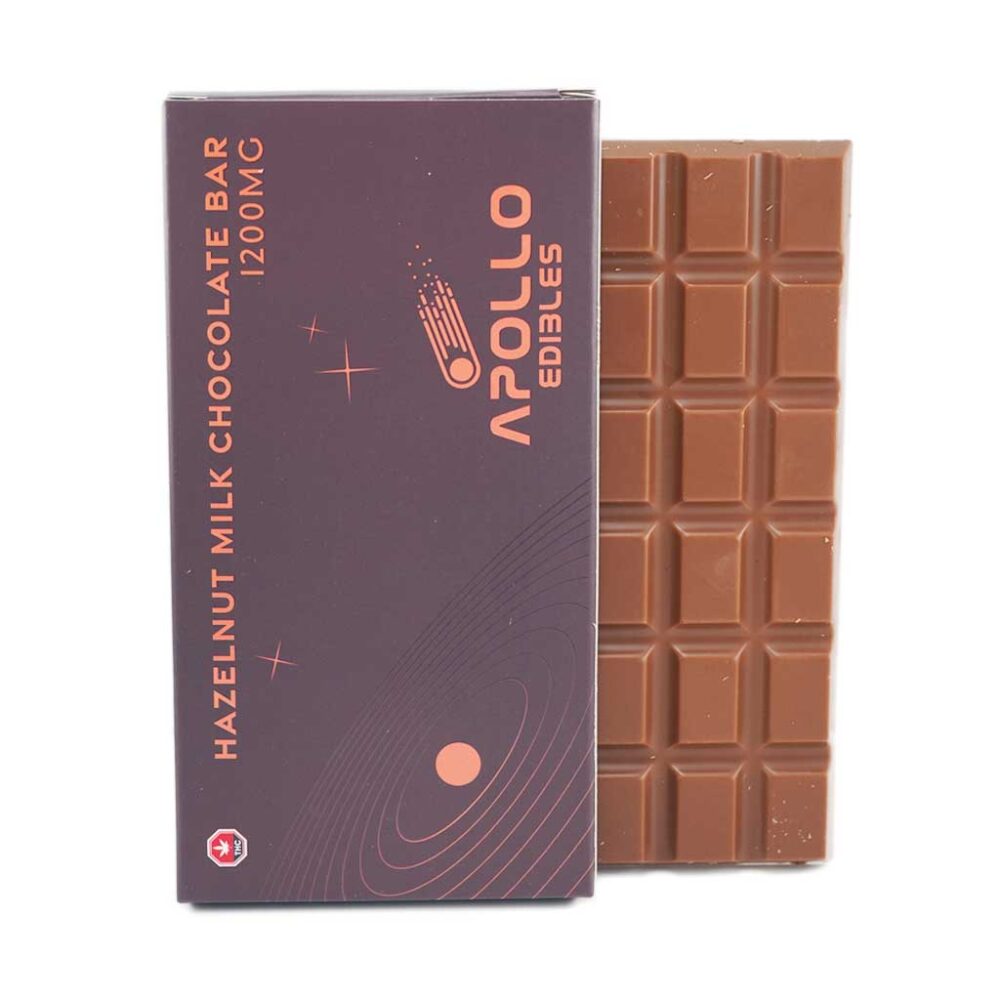
Edible cannabis comes in many forms, each with its own trade-offs. Cannabis chocolates and baked goods are popular, but they often require careful storage to avoid melting or going stale. Delta-8 gummies have a distinct texture and flavor that not everyone enjoys. Cannabis dried fruit sits somewhere in between. It is less perishable than fresh-baked goods and offers a chewy, satisfying texture that feels more natural than gelatin-based candies. Brands like Dixie Brands have developed gummy lines, but for those who prefer a less processed option, dried fruit is a welcome alternative.
Another advantage is portability. A pouch of infused apricots can slip into a bag without worrying about temperature or breakage. I have taken them on hikes and road trips, and they hold up much better than chocolates, which can melt, or baked goods, which can crumble. The dosing is also easier to manage. Each piece typically contains a set amount of THC or CBD, so you can start with half a piece and wait for the effects before deciding on more. This is especially useful for newcomers to edible cannabis who are still learning their tolerance.
The Role of Terpenes and Cannabinoids
One of the reasons cannabis dried fruit works so well is that the drying process can preserve more of the plant's natural compounds. Hash and other concentrates are often used to make cannabis oil, but when that oil is infused into fruit, the terpenes remain intact. This means the entourage effect, the synergy between cannabinoids and terpenes, is more pronounced. I have noticed that apricots infused with a full-spectrum oil tend to produce a more balanced experience than those made with isolated CBD isolate. The presence of minor cannabinoids and terpenes can influence whether the effect feels more like an indica or a sativa, even if the product is labeled as a hybrid.
Medical marijuana patients often look for consistency and predictability. Cannabis dried fruit offers a reliable way to ingest cannabinoids without the variables of smoking or vaping. The onset is slower, typically thirty minutes to an hour, but the effects last longer. For chronic pain or insomnia, this sustained release can be more effective than the short burst from inhalation. Kush Station, a Canadian online retailer, stocks several brands of infused dried fruit, reflecting the growing demand among medical users. Their site provides detailed information on usage and effects, which helps patients choose the right product for their needs.
Practical Tips for Trying Dried Fruit Edibles
If you are new to cannabis dried fruit, here are a few things I have learned from personal use:
- Start with a low dose. A single piece often contains 5 to 10 milligrams of THC. Wait at least an hour before taking more.
- Check the label for the type of cannabis oil used. Full-spectrum oils offer more complexity than isolates.
- Store the fruit in a cool, dark place. While it is less perishable than chocolates, heat can still degrade the THC.
- Pair with fatty foods like nuts or cheese to improve absorption. Cannabinoids bind to fats, which can enhance the effects.
These tips apply to any edible, but dried fruit has the advantage of being easy to portion. You can break a larger piece in half or even cut it with scissors. This flexibility makes it a good option for microdosing, especially for those who use medical marijuana for anxiety or focus throughout the day.
The Future of Infused Fruit
As the edible cannabis market grows, I expect to see more innovation in dried fruit products. Some companies are experimenting with different fruit bases, such as pineapple rings or dried cherries, and infusing them with specific cannabis oils to highlight certain terpenes. Others are blending hemp-derived CBD with THC to create balanced effects. The category is still small compared to cannabis chocolates and delta-8 gummies, but its natural appeal and long shelf life give it staying power.
Kush Station and other online retailers are already expanding their dried fruit offerings, responding to customers who want something that tastes like real food. I have tried infused mango pieces from a brand called Stone Road, and they reminded me of the dried mango I ate as a kid, with a mild herbal finish. That familiarity makes cannabis dried fruit an easy entry point for people who are curious about edibles but put off by the candy-like sweetness of other products.
Final Thoughts
Cannabis dried fruit is not a replacement for other edibles, but it fills a specific niche. It offers a portable, stable, and flavorful way to consume THC and CBD without added sugars or artificial flavors. For medical marijuana patients who need consistent dosing, it provides a reliable option that can be tailored to individual needs. And for recreational users, it is a discreet and enjoyable snack that pairs well with a cup of tea or an afternoon break.
Whether you prefer the bright taste of infused apricots or the tropical notes of mango pieces, the category is worth exploring. The next time you browse an online menu, consider adding a pouch of cannabis dried fruit to your order. You might find that it becomes a staple, just as it has in my own rotation.